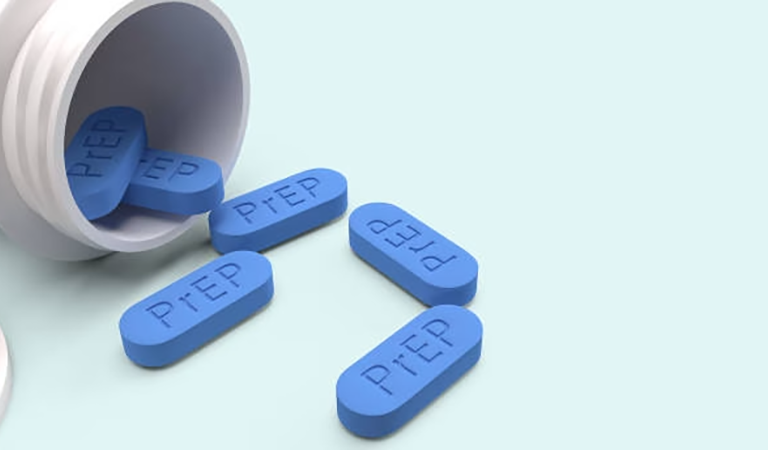

Twice-yearly injectable PrEP, such as lenacapavir, has demonstrated up to a 96% reduction in new HIV infections, yet significant structural barriers prevent widespread adoption among Black Americans. While accounting for nearly 40% of all new U.S. HIV diagnoses, Black individuals represent only 15% of total PrEP users and a mere 1% of patients receiving long-acting injectables. The primary obstacles preventing equitable delivery include:
Financial barriers: Prohibitive out-of-pocket prescription costs, complex prior authorizations, and insufficient health insurance coverage.
Access and infrastructure: A scarcity of local healthcare facilities equipped to administer long-acting injections compared to traditional oral regimens.
Awareness gaps and stigma: Persistent social stigma and limited public education regarding new preventative treatment alternatives in high-risk metropolitan communities.

Injectable PrEP can offer a year’s worth of protection in just two shots–but you’ve got to find it first.
“Do It For Future You” – a multichannel digital campaign designed to encourage discussions about HIV prevention or treatment options. Credit: Courtesy of ViiV Healthcare
Overview: A twice-yearly injection can dramatically reduce the risk of HIV. But the Black Americans who could benefit most from long-acting PrEP remain among the least likely to get it.
First, the good news: scientific progress over the last two decades has fundamentally transformed an HIV-positive diagnosis from a death sentence to a chronic but manageable condition, like diabetes or high blood pressure. Medications like pre-exposure prophylaxis, or PrEP, can nearly eliminate the risk of acquiring the virus.
That includes lenacapavir, a new, remarkably long-acting version of the drug that requires just two injections a year.
Now, the bad news: the HIV epidemic still persists, with almost 40,000 new diagnoses occurring each year. Yet the people who would most benefit from long-acting PrEP — Black Americans, who make up just 12% of the U.S. population but accounted for nearly 40% of new HIV diagnoses in 2023 — aren’t taking it.
Experts say the reasons PrEP, particularly the long-acting options, hasn’t broken through in the Black community are familiar, including disparities in health insurance, access to healthcare and simple lack of awareness of the drug.
The gap in use is so persistent that one of the nation’s leading scientists called it out at a global symposium in July.
The Same Bevy of Barriers
“Inequity in lenacapavir provision by race, ethnicity, and age mirrors very closely inequities we’ve seen in more established modalities,” Aaron Siegler, professor of epidemiology at Emory University in Atlanta, told attendees of the AIDS 2026 meeting in Rio de Janeiro, Brazil.
“So, within just 6 months of release, we are seeing the same inequities that we have seen,” since PrEP in pill form hit the market 14 years ago, he said. “So clearly, there are system factors at play here.”
Those patterns hold across nearly every demographic breakdown of PrEP users.
Most were men, including 91% of oral PrEP users, 86% of cabotegravir users, and 85% of lenacapavir users. As with oral PrEP, lenacapavir uptake was lowest among Black and Hispanic people; each group’s usage rate was at around 17%.
But HIV activists and public health experts are using a growing set of tools to boost the use of long-acting PrEP among Black people at risk of acquiring HIV. If they’re successful, experts say, they can help slow the number of new cases in Black America.
The data tells part of the story.
Black men had the highest rate of new HIV diagnoses among all U.S. men, as did Black women compared to all women of all races or ethnicities. At the same time, young Black people accounted for almost half of new HIV cases among youth ages 13 to 24.
When it comes to PrEP use, the data isn’t much better. Black Americans accounted for just 15% of PrEP users in 2024, even when they met clinical guidelines, according to AIDSVu.
#HIVPrevention #HealthEquity #PrEP