
Overview: Twin Cities public health gaps took center stage this week after health officials revealed low measles vaccination rates in classrooms, E. coli outbreaks forced swimming closures at major metro lakes, and regional sports fans lost digital access to Minnesota Lynx games following the abrupt collapse of Victory+.

Measles warning signs in public classrooms, bacterial lake closures, and a sudden blackout for Lynx basketball fans
Twin Cities and Minnesota News This Week: Public Health, School Gaps, and Sports Shakeups
Twin Cities Public Health Gaps: Vaccine Dashboards, E. Coli Closures, and Sports Broadcast Shifts
Twin cities public health gaps emerged as an urgent priority this week following state-issued vaccine tracking, lake contamination closures, and major interruptions to local sports broadcasting.
Tracking Measles Coverage in Classrooms
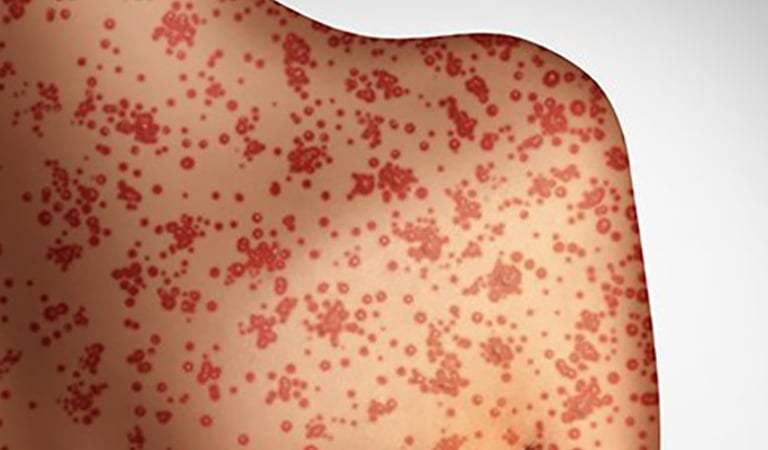
State epidemiologists published an interactive map documenting sharp declines in MMR immunization rates across select school districts. Several regional classrooms sit below the recommended ninety-five percent herd immunity threshold. Health officials warn that preventable childhood diseases could resurge without fast intervention.
Bacterial Outbreaks Shut Popular Beaches
Environmental monitors shut down swimming zones at White Bear Lake and Lake Byllesby due to dangerous levels of E. coli bacteria. The sudden contamination arrived just as families sought relief from high regional humidity. Park rangers posted warning signs while laboratory technicians run daily water panels.
Gridiron Wins and Lynx Streaming Turmoil
The Minnesota Gophers opened their football season with a 59-7 rout of Eastern Illinois, led by dynamic punt returns from Javon Tracy. Off the field, the Minnesota Lynx lost their streaming distribution partner after Victory+ ceased operations without warning. The shutdown leaves viewers scrambling for legal access to the team’s late-season push.
Confronting twin cities public health gaps requires transparent data, reliable sanitation monitoring, and resilient regional infrastructure that keeps families safe and connected.
Conclusion
Protecting community welfare across the Twin Cities requires clear data transparency, diligent environmental sanitation, and modern consumer infrastructure. Closing school immunization deficits prevents dangerous pediatric outbreaks, while rigorous lake testing protects families during peak recreational seasons. When municipal departments treat public health data, clean water monitoring, and community connectivity as interconnected public goods, the entire region benefits from a healthier, better-informed population.
#MNHealth #LynxNation #SkiUMah