
Pico de gallo stands out as Mexico’s most iconic solid salsa, named for its bright colors that mirror the national flag and its signature hand-chopped texture. Unlike blended liquid sauces, this fresh staple combines dice-cut tomatoes, onions, and chili peppers to deliver a sharp, raw crunch. Widely served as both a topping and a standalone side dish, its versatility and regional twists have turned it from a traditional Mexican comfort food into a global culinary favorite.
What Makes Pico de Gallo Unique?
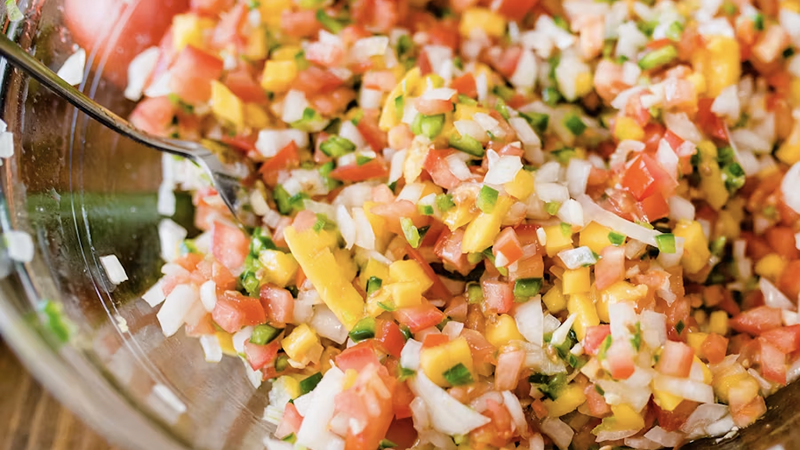
While most Mexican salsas are blended into smooth, pourable liquids, pico de gallo stays solid. The ingredients are never pureed. Instead, everything is freshly diced into small cubes, preserving the distinct texture and individual bite of each ingredient.
Because it showcases vibrant red tomatoes, white onions, and green chilies, it is often called salsa Bandera (flag salsa) or salsa fresca (fresh salsa).
The Origin Behind the Name
The literal translation of pico de gallo is “rooster’s beak,” but food historians and locals still debate how the name came to be.
- The Eating Technique: Cookbook author Sharon Tyler Herbst noted that diners traditionally pinched portions between their thumb and forefinger, mimicking a rooster pecking at food.
- The Shape of the Chili: In Sonora, Mexico, locals attribute the name to the serrano pepper, which resembles the sharp curve of a rooster’s beak.
- Poultry Feed Resemblance: Major culinary references, including the Larousse Diccionario Enciclopédico de Gastronomía Mexicana, suggest the fine, uniform dice looks like feed given to farm birds.
- The Spicy Bite: Others believe the name simply plays on the sharp, “pecking” heat of the fresh peppers.
Regional Variations Across Mexico
While the core baseline relies on tomatoes, onions, and green chilies, local kitchens across Mexico adapt the recipe to fit regional palates.
- Yucatán Peninsula: Known locally as x’nipec (Mayan for “dog’s snout”) or hocico de perro. This version swaps green chilies for fiery habaneros and is frequently served with salt, citrus, and chili powder.
- Fruit-Infused Styles: In several Mexican states, cooks mix in sweet or crisp elements like mango, papaya, radish, watermelon, jicama, or fresh orange.
- Taquería Upgrades: Specialty shops often swap standard jalapeños or serranos for habanero peppers to amplify both the heat and the aromatic depth.
- Serving Pico de Gallo: From Taquerías to Breakfast Tables
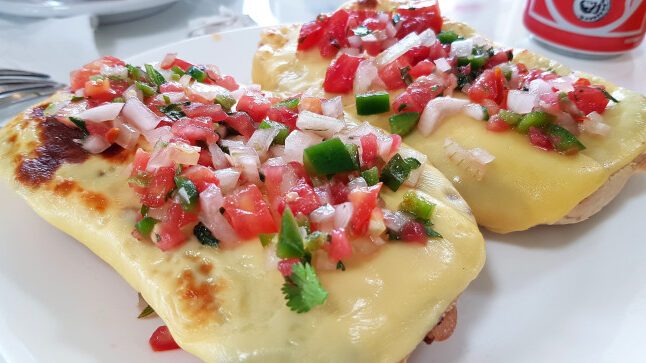
Pico de gallo bridges the gap between a condiment, a side dish, and a light salad. - Molletes: A staple Mexican breakfast featuring open-faced toasted bread smeared with refried beans, topped with melted manchego cheese, and finished with a generous spoonful of pico de gallo.
- Table Appetizers: Taquerías routinely serve freshly fried totopos (tortilla chips) with pico de gallo to welcome waiting guests and showcase the kitchen’s prep quality.
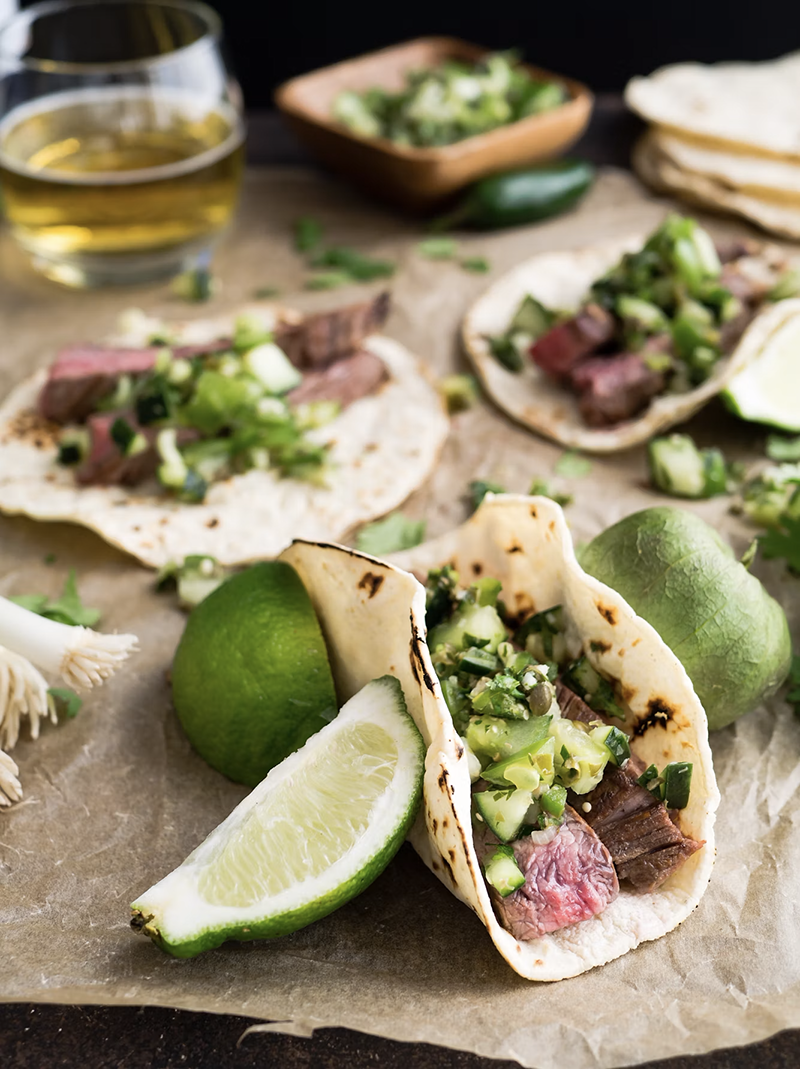
- Stew and Meat Enhancers: Because it is dry rather than liquid, it adds fresh acidity and heat to rich stews and grilled meats without watering down the dish.
#PicoDeGallo #MexicanCuisine #FoodHistory