
Transforming Men’s Health: A Holistic Approach to Thriving in 2026
Let’s discuss men’s health. What does it really mean to be healthy, and how does that definition change as we grow?
When I was younger, I thought being healthy meant being strong—running faster, working longer hours, and pushing through pain. As I grew older, however, I learned that health isn’t about toughness; it’s about balance. In fact, it’s how well I sleep, manage stress, connect with others, and prepare for what’s ahead.
Like many men, I used to ignore small signs like back soreness after a DIY project, skipped check-ups, or the mental fatigue I brushed off as “just being tired.” Yet, real strength comes from paying attention early, not waiting for something to go wrong.
As we move toward 2026, it’s time for men to level up our health. This doesn’t mean radical changes or rigid goals. Instead, it means taking practical steps to strengthen every part of life: physical, mental, emotional, financial, and spiritual. Ultimately, health isn’t just the absence of illness; it’s the presence of purpose, peace, and energy to live fully.
1. Start with Prevention
Nearly 15 percent of American men report their health as fair or poor, and almost half live with high blood pressure. Despite this, too many men skip annual check-ups and preventive care. According to the Cleveland Clinic, a staggering 44 percent of men admit they don’t get a yearly physical.
Think of your body like a car; you wouldn’t drive thousands of miles without a tune-up. Therefore, you should schedule an annual physical, keep vaccinations current, and talk with your doctor about screenings for blood pressure, cholesterol, diabetes, and certain cancers. Remember, prevention is protection, not weakness.
2. Move in Ways That Fit Your Life
Only about 28 percent of men meet both aerobic and strength-training recommendations. But exercise doesn’t have to mean a gym membership or marathon training.
For instance, if you’re into sports, you could join a weekend basketball league, hike with friends, or cycle around your neighborhood. If you’re more of a DIY guy, home projects count too since lifting, reaching, bending, and building all work your muscles. Just remember to stretch and pace yourself.
Ultimately, movement should fit your lifestyle, not fight it. The key is consistency, not perfection.
3. Protect Your Mental and Social Health
Men are less likely to talk about mental health, even when they’re struggling. Yet stress, depression, and loneliness can harm the heart and body as much as poor diet or smoking.
For this reason, make space for honest conversations. Check in with a friend, mentor, or counselor. Furthermore, consider attending a men’s group, faith circle, or community activity. Strong relationships boost mood, build resilience, and reduce the risk of early death by as much as 50 percent.
4. Strengthen Financial and Purpose Health
Money stress can quietly wear on your health, as high financial stress is linked to poor sleep, higher blood pressure, and anxiety.
This year, make a simple financial health check to ensure you live within your means:
- First, review your budget.
- Then, develop a plan to pay down your debt.
- If possible, set aside funds for medical and wellness needs.
- Finally, don’t compare your financial status to others.
Beyond money, it’s also important to focus on meaning. Volunteer. Mentor. Use your hands and heart to build something that outlasts you. Indeed, purpose is a powerful form of medicine.
5. Nurture Your Spiritual and Reflective Health
Whether your strength comes from faith, mindfulness, or time in nature, nurturing your inner life is vital. Take ten minutes a day to pray, reflect, or breathe deeply. Additionally, make it a point to express gratitude and serve others.
Research shows that men who maintain a sense of purpose and connection report higher life satisfaction and longer life expectancy.
Your Health is Your Promise
Every day, people depend on men—partners, children, parents, teammates, co-workers, and neighbors. They count on our presence, our skills, and our steady hands. Consequently, prioritizing health is how we keep those promises.
When we schedule our check-ups, manage blood pressure, move our bodies, and care for our minds, we are choosing to be there. We are present at the game, at the graduation, on the job site, at the dinner table, and in the community. Good health helps us lift safely during a weekend project, coach without pain, drive without fatigue, and make clear, calm decisions when others look to us for leadership.
Choosing preventive care and healthy habits is not selfish; on the contrary, it is service. It is love in action. Moreover, it is a plan to be present longer and with better quality of life for the people who matter most.
Brothers, our families, workplaces, and communities need us; not just present, but well.
If you’ve been saying, “I’ll deal with it later,” make today that later. Schedule the check-up. Call your friend. Go for that run. Take time to breathe, reflect, and plan your next move.
Leveling up your health isn’t about living forever; it’s about living better. With every choice you make, you build a stronger version of yourself—one that leads with intention, faith, and purpose.
Let 2026 be the year we stop surviving and start thriving. Because your life, your health, and your legacy matter.
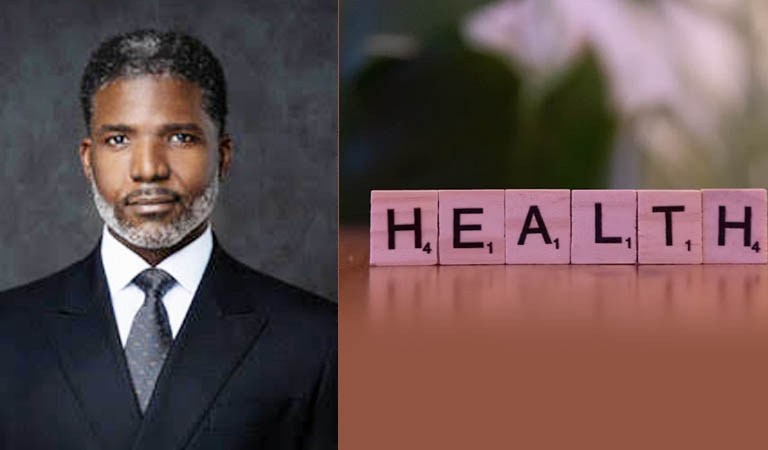
About Dr. Fredrick Echols, MD
Dr. Fredrick L. Echols, MD is the founder and Chief Executive Officer of Population Health and Social Justice Consulting, LLC, an Obama Foundation Global Leader, sought-after public speaker, black men’s health advocate, and accomplished physician with over 15 years of experience in public health. He has worked extensively with public and private sectors to address complex health issues through evidence-informed approaches. Dr. Echols is a graduate of the Centers for Disease Control and Prevention Population Health Training in Place program and the ASTHO-Morehouse School of Medicine’s Diverse Executives Leading in Public Health program.
Passionate about health and justice, Dr . Echols’ notable roles include serving as Chief Executive Officer for Cure Violence Global, Health Commissioner for the City of St. Louis, and Director of Communicable Disease and Emergency Preparedness for the St. Louis County Department of Public Health. In these roles, he oversaw public health regulations, led COVID-19 response efforts, managed daily operations, and developed strategic partnerships. Dr. Echols also served as Chief of Communicable Diseases for the Illinois Department of Public Health and as a physician in the U.S. Navy. He continues to contribute to public health research and guides health organizations globally.
#MensHealth #WellnessJourney #LevelUp